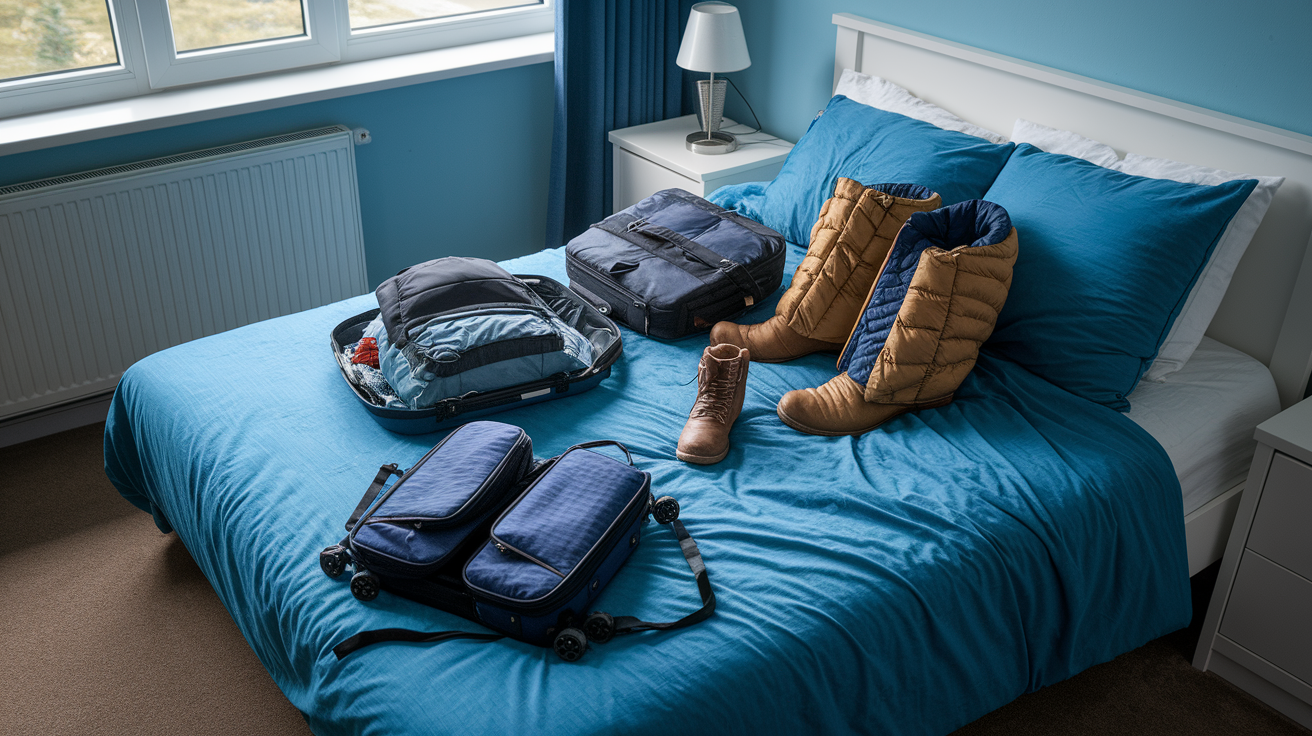

You can pack for a week in Iceland in a carry-on, if you pack smart.
Iceland’s weather changes by the hour, so throwing everything but the kitchen sink at your bag is a waste.
Layering and waterproof gear are the two rules that decide comfort and safety.
This guide gives a simple, checkable seven-day packing list, explains how to use layers like a travel thermostat, and points out what to book or leave for last.
Read on to stop overpacking and actually enjoy the cold.
Complete Seven-Day Iceland Packing Checklist
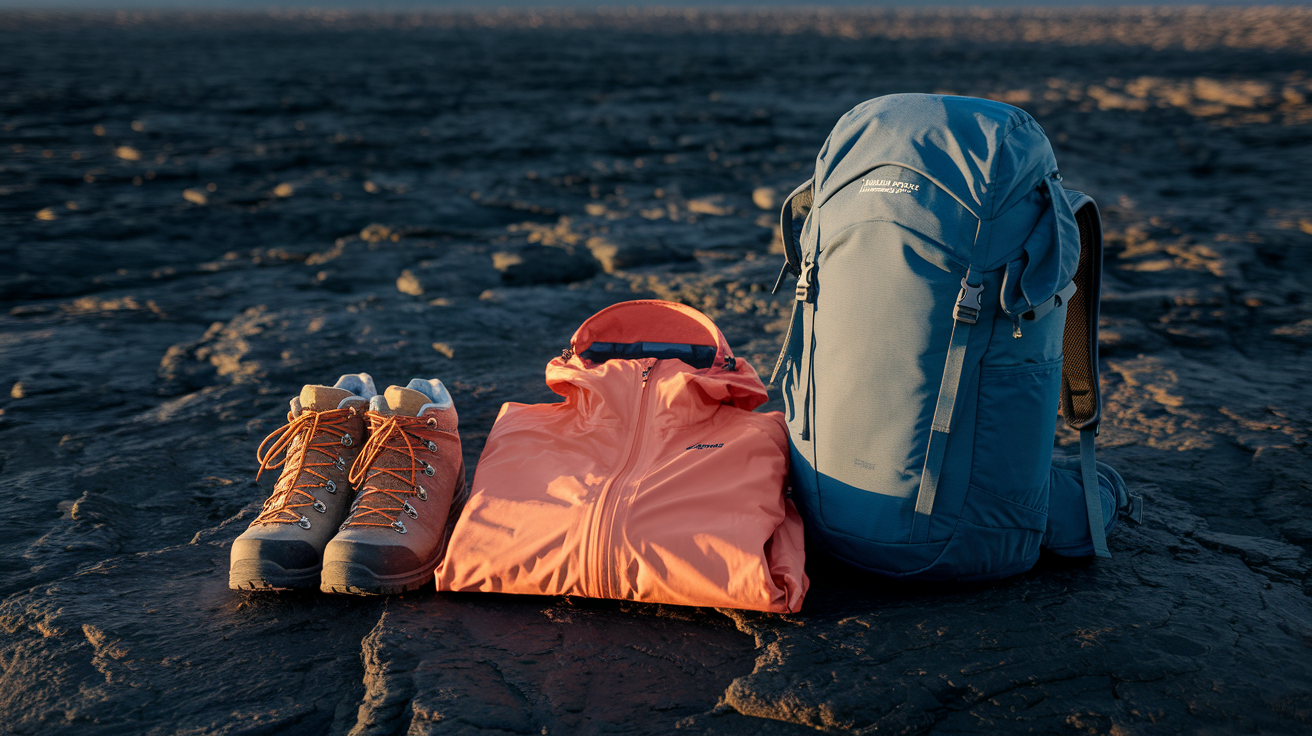
Iceland packing comes down to two words: layer and waterproof. The weather here doesn’t just change by season, it changes by the hour. You can start a morning in Reykjavik under blue sky and end up sideways in sleet by lunch. So your packing list needs to work regardless of what the forecast app tells you. Honestly, it’s often wrong anyway.
Here’s the full breakdown for a weeklong Iceland packing list, organized so you can check things off as you go. This covers what to pack for a week in Iceland no matter which month you’re traveling, with season-specific tweaks coming later on.
Clothing:
- 3 to 5 base layers (merino or synthetic, no cotton)
- 2 mid-layers (fleece or wool)
- 7 pairs underwear or quick-dry equivalents
- 1 to 2 pairs hiking pants
- 1 pair casual pants for town
Outerwear:
- 1 packable insulated jacket (down or synthetic fill)
- 1 waterproof, windproof shell jacket
- 1 pair waterproof shell pants
Footwear:
- 1 pair waterproof hiking boots, broken in before you leave
- 1 pair casual shoes for restaurants and town walking
- 3 to 5 pairs hiking socks (wool or synthetic)
Activity gear:
- 1 swimsuit (for hot springs and public pools)
- 1 daypack, 20 to 30 liters
- 1 headlamp for Northern Lights outings or early sunrise hikes
- 1 reusable water bottle (Iceland’s tap water is some of the cleanest you’ll drink anywhere)
Toiletries:
- Travel-size shampoo, soap, and basics
- Sunscreen, SPF 30 or higher
- SPF lip balm
Electronics:
- Phone charger
- EU/Europlug adapter (Iceland uses the two-round-pin outlet)
- Camera, plus any lenses you actually plan to use
Documents:
- Passport
- Travel insurance confirmation
- Printed or saved booking confirmations for flights, tours, and lodging
Medications:
- Personal prescriptions in original packaging
- Basic first-aid items (plasters, blister pads, pain reliever)
Luggage:
- 1 medium checked bag, up to 23kg, or a 36L carry-on with packing cubes if you’re traveling lighter
A few things deserve special mention depending on what’s on your itinerary. Heading to the Blue Lagoon or a local geothermal pool? Pack sandals, since the pool decks are often wet and sometimes chilly on bare feet. Booking a glacier hike? Bring an extra pair of warm socks and a second set of gloves, since tour operators often supply crampons but not dry layers. Chasing the Northern Lights? That headlamp earns its keep here, plus an extra warm layer for standing still in the cold. And if you’re visiting in summer, toss in a sleep mask. Iceland’s near 24 hour daylight in June and July makes sleeping a real challenge without one.
((alt-img1))
Layering System For Iceland Weather
(((alt-img2)))
You’ve already got the list of what to pack. Now here’s how to actually use it, because a pile of good gear doesn’t help much if you’re not combining it the right way.
Think of your layers as three separate jobs working together. The base layer sits against your skin and manages moisture, pulling sweat away so you don’t get clammy. The mid-layer, usually fleece or wool, traps warm air close to your body. The outer shell blocks wind and rain so the first two layers can actually do their job without getting soaked or blown through. This three part system is what lets you handle Iceland’s mood swings. You add or peel off pieces as conditions shift, rather than being stuck in one outfit that’s either too hot or too cold.
Fabric choice matters just as much as the layering order. Merino wool and synthetic base layers wick moisture and dry fast, and merino has the added bonus of resisting odor, which matters when you’re repeating outfits over a week. Fleece and wool mid-layers insulate even when slightly damp, which happens more than you’d think here. Cotton, on the other hand, is the one fabric to leave at home. It soaks up moisture and holds onto it, leaving you cold and clammy for hours. A soft shell jacket, thin but waterproof and windproof, earns its spot as a daily piece, especially if waterfall hikes are on your itinerary where spray drifts further than you’d expect. A packable down jacket adds warmth without bulk and works as that extra insulating layer any time of year, not just winter.
When To Add Or Remove Layers
Here’s the easy way to think about it through a typical day. Strip down to your base layer when you’re indoors, in the car, or soaking in a geothermal pool. Add the shell the moment wind or rain picks up, which happens fast along coastal roads and cliffside viewpoints. Throw on the insulated jacket for anything stationary, like a glacier walk waiting for the group ahead or standing outside at midnight hoping for the Northern Lights. And when you’re actively hiking uphill, drop the mid-layer before you start sweating through your base layer. Overheating on the trail is just as uncomfortable as being cold, and it takes longer to dry out once it happens.
((alt-img2))
Seasonal Packing Deviations For Iceland
(((alt-img3)))
Your core list stays the same all year. What shifts is how many layers you’re wearing and a handful of extras depending on the season.
Spring, from March through May, runs 32°F to 54°F (0°C to 12°C). Melting snow means muddy trails and occasional flooding near rivers, so waterproof boots matter more here than almost any other season. Summer, June through August, sits in a milder 50°F to 72°F range (10°C to 22°C) and only needs 2 to 3 layers on most days. The bigger summer challenge isn’t cold, it’s light. Near 24 hour daylight means a sleep mask and earplugs go from nice to have to genuinely useful if you want decent sleep.
Fall, September through November, drops back to 32°F to 46°F
Final Words
Pack to layer and stay dry: you’ve got a clear seven-day checklist with exact counts for base layers, mid-layers, a packable insulated jacket, waterproof shell pieces, boots, and activity-specific extras like swimsuits for hot springs and gloves for glacier tours.
Pick the luggage setup that suits you (checked bag up to 23 kg or a 36L carry-on with packing cubes), and favor merino/synthetic base layers over cotton.
Use this list as your go-to for what to pack for a week in iceland—follow it, tweak for your activities, and you’ll be ready for anything Iceland throws at you.
FAQ
Q: What to do with 1 week in Iceland?
A: With one week in Iceland you should base in Reykjavik, do the Golden Circle, spend two days on the South Coast to Jökulsárlón (include a glacier walk), fit a hot spring visit and one relaxed city day.
Q: How much money should you take to Iceland for 4 days?
A: The amount of money you should take to Iceland for 4 days depends on style: budget about $80–120/day ($320–480 total), mid-range $150–300/day. Cards work everywhere; tours and car rental raise costs.
Q: Can I wear jeans in Iceland?
A: You can wear jeans in Iceland for city days, cafes, and casual evenings. Avoid jeans for hikes or wet, windy days—choose quick-drying, breathable pants and a waterproof outer layer instead.
Q: Should I bring toilet paper to Iceland?
A: You generally don’t need to bring toilet paper to Iceland; public restrooms and gas stations usually supply it. Carry a small travel tissue pack for remote hikes or roadside stops, just in case.