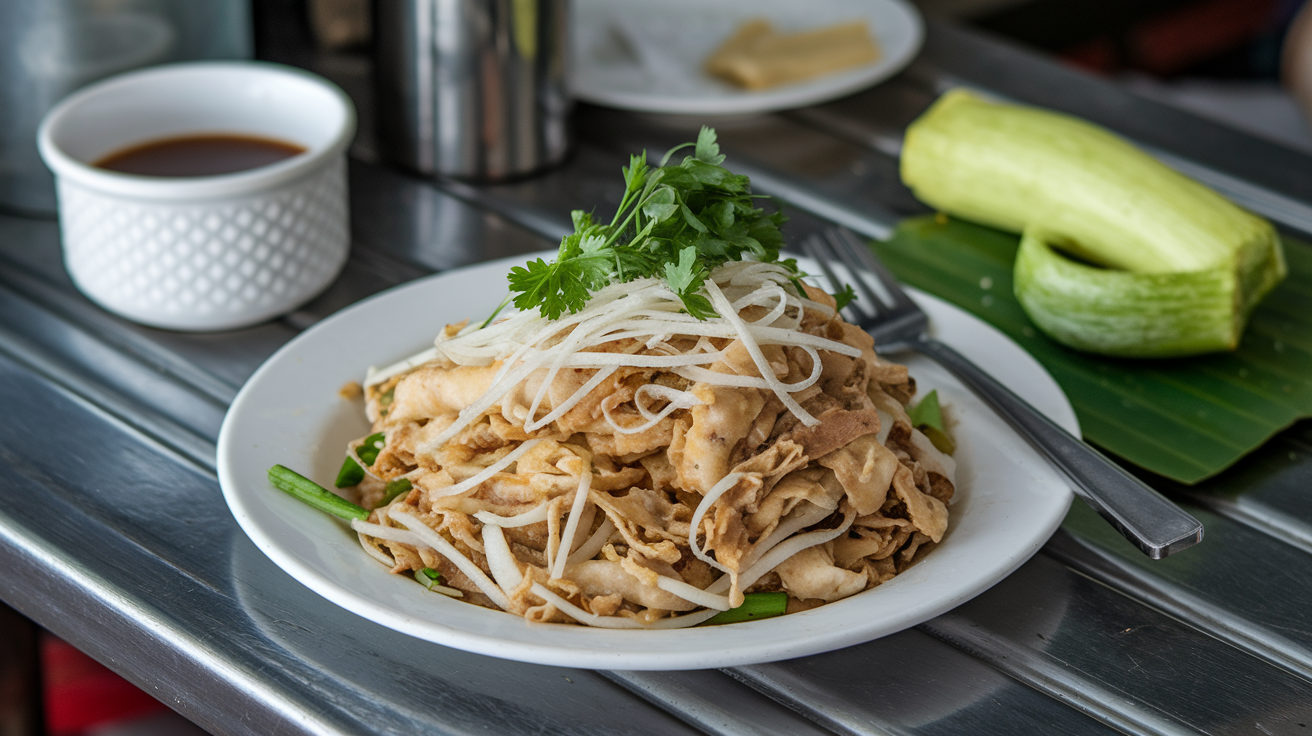

Think you need $30 a day to eat well in Southeast Asia? Think again.
Most backpackers in 2026 can plan on $4 to $15 USD per person per day for food, depending on how often you choose street stalls versus sit-down restaurants.
This post breaks down those spending tiers, shows country-by-country price examples, and gives simple rules so you can set a realistic daily food budget and avoid common overspend traps.
I’ll also point out when a cheap meal is smart versus when a splurge is worth it (time, comfort, or a special dish).
Recommended Meal-Spending Tiers
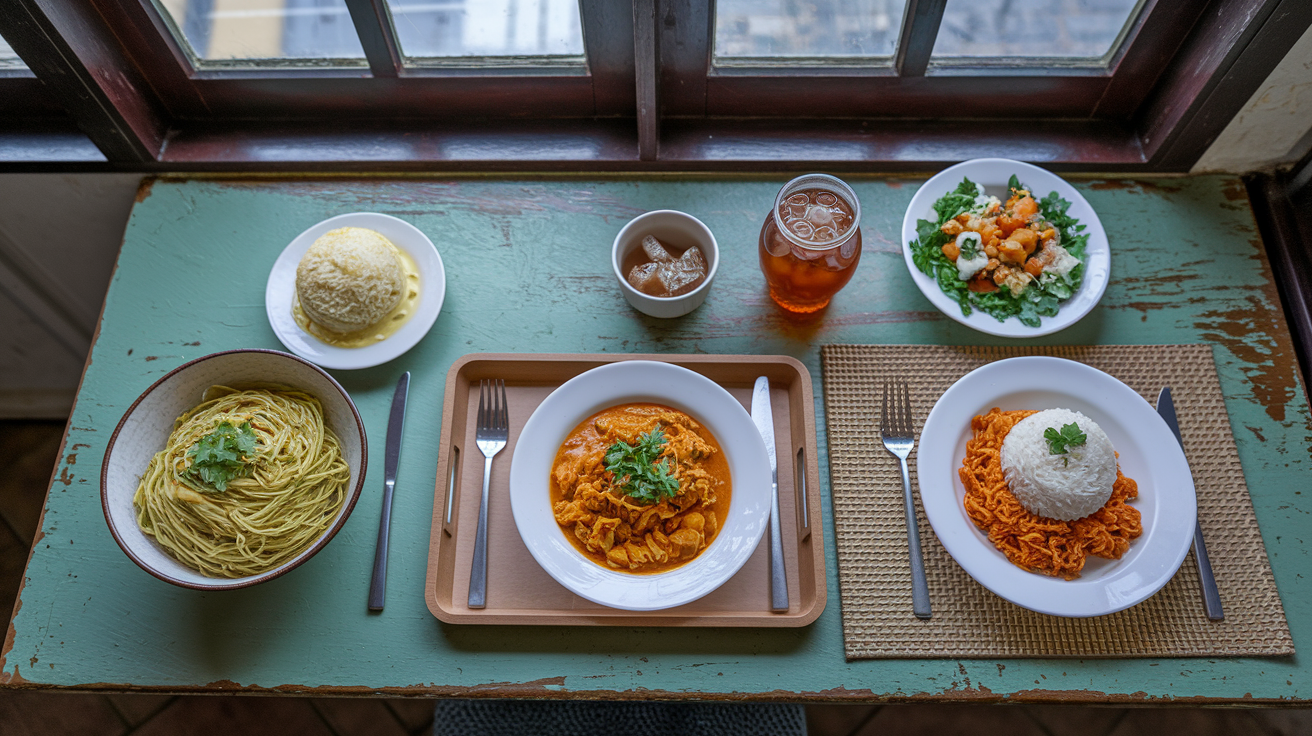
Most backpackers moving through Southeast Asia in 2026 can plan on $4 to $15 USD per person, per day, for food. Where you land in that range depends on how often you eat at local stalls versus sit-down spots, and whether air conditioning and an English menu matter to you. Converting prices to USD as you go (most banking apps do this automatically) makes it easier to track which tier you’re actually spending in.
| Budget Tier | Daily Food Spend (USD) | Typical Eating Style |
|---|---|---|
| Ultra-budget | $4–$6 | Street stalls and markets only, local dishes, no alcohol or imported snacks |
| Mid-range | $8–$10 | Mostly street food with one casual sit-down meal most days |
| Comfort/splurge | $12–$15 | Regular restaurant meals, air conditioning, Western options, occasional drinks |
How Much Does Street Food Cost Compared To Restaurants?
(((alt-img2)))
Where you choose to eat can swing your food spending from about $4 a day to $15 a day. That gap adds up fast. An $11 daily difference turns into $330 over a 30 day trip, roughly the cost of another flight or a few extra nights in a decent guesthouse.
- Pho in Hanoi costs about $1.50 at a street stall, while a similar bowl at a tourist-facing restaurant with an English menu can run $4 to $6.
- Pad Thai in Chiang Mai costs around $2 from a cart, compared to $5 to $10 at a restaurant aimed at visitors.
- A Cambodian local meal, like rice with a simple protein, costs roughly $1 to $2 at a market stall versus $5 to $10 at a tourist café in Siem Reap.
- Lao noodle soup or sticky rice costs about $1 to $2 from a local vendor, compared to $4 to $8 at restaurants in Vang Vieng or Luang Prabang’s tourist strip.
- A simple local breakfast, like rice porridge or a grilled snack from a street cart, typically costs under $1.50, while a café breakfast with coffee and eggs can hit $5 to $8.
- An evening meal with a drink and table service at a restaurant easily reaches $10 to $15, compared to $2 to $4 for a similar dish and a bottled drink from a street vendor.
Busy stalls sell food fast, which means fresher ingredients and less waste. Their overhead is close to zero too, since there’s no rent for a dining room, no air conditioning bill, and no wait staff to pay. Restaurants aimed at tourists carry all of those costs, plus they’re often priced to match what visitors expect to pay rather than what locals actually pay down the street. That’s not a complaint, just the trade off. Most backpackers end up doing both, stalls for daily meals, and a restaurant every few days when they want a break from plastic stools or a specific craving hits.
How Do Food Costs Vary By Country?
(((alt-img3)))
Local ingredients, how close you are to a tourist hub, and whether you’re on an island or the mainland all shape what a meal costs. A bowl of noodles in a quiet town can cost a third of the same dish sold two minutes from a major temple or beach.
Thailand
Expect to spend about $6 to $15 a day depending on how often you sit down at a restaurant. A breakfast of jok (rice porridge) or grilled pork with sticky rice costs $1 to $2, pad Thai or khao man gai for lunch runs $2 to $3, and a dinner of green curry with rice is usually $3 to $5 at a local spot. Northern cities like Chiang Mai and Pai are noticeably cheaper than southern islands such as Koh Phangan or Koh Samui. Prices in tourist areas tend to spike during the December to January peak season too, sometimes by a significant margin.
Vietnam
A locally focused menu runs about $5 to $8 a day. Banh mi makes a cheap, filling breakfast at around $1, pho or bun cha for lunch costs $1.50 to $2.50, and a dinner of com tam or a rice plate is usually $2 to $4. Northern destinations like Hanoi and Ha Giang tend to be cheaper than major southern cities like Ho Chi Minh City, where restaurant culture and tourist demand push prices up slightly.
Cambodia
Daily food spending in Cambodia ranges from about $3 to $12, with the gap coming down to how many tourist-oriented meals you eat. Rice porridge makes a cheap breakfast around $1, num banh chok (noodle salad) for lunch costs $1 to $2, and lok lak with rice for dinner runs $2 to $4 at a local eatery. Siem Reap and Koh Rong, both heavily touristed, commonly charge more than Phnom Penh for similar dishes. Budget a little extra if your route centers on those two spots.
Laos
Laos sits in a similar $3 to $12 daily range. Khao piak sen (a thick noodle soup) is a solid breakfast for $1 to $1.50, sticky rice with grilled chicken for lunch costs around $1.50 to $2.50, and laap with rice for dinner runs $2 to $4 locally. Restaurants in the tourist districts of Vang Vieng and Luang Prabang charge noticeably more than stalls just a few streets over. It pays to wander a bit before settling on a place.
Myanmar
Plan for roughly $4 to $10 a day. Mohinga, a fish-based noodle soup, is a classic breakfast for about $1, tea leaf salad with rice makes a filling lunch around $1.50 to $2.50, and
Final Words
Plan on about $4–$15 per day for food and use the three spending tiers to match how you eat. The post walked through street stalls versus restaurants, gave country-by-country ranges, listed affordable dishes worth trying, showed sample daily menus, and shared simple ways to save without risking hygiene.
Use this as a quick check when you set your daily budget for backpacking Southeast Asia (food) and tweak it by country and taste. With a little planning you’ll eat well, stay on budget, and enjoy the trip.
FAQ
Q: How much money to travel Southeast Asia for 3 months?
A: The amount to travel Southeast Asia for 3 months typically runs $2,000–$4,500 for budget to mid-range travellers (about $25–$50/day). Island-heavy or comfort-focused trips usually need $5,000+.
Q: Is 40 too old to go backpacking?
A: Being 40 is not too old to go backpacking. You’ll enjoy it by pacing days, picking comfier stays when needed, avoiding back-to-back overnight travel, and scheduling rest days.
Q: Is 2000 baht a day enough?
A: Two thousand baht a day can be enough for budget travel in Thailand if you eat local, avoid tourist zones, and limit alcohol. That’s roughly $55–$60 and covers basic food, transport, and cheap stays.
Q: How much money do you need to live in Southeast Asia?
A: The money you need to live in Southeast Asia depends on country and lifestyle: expect about $600–$1,200/month in low-cost areas, $1,200–$2,500 for comfortable city living, and $2,500+ in pricier cities.