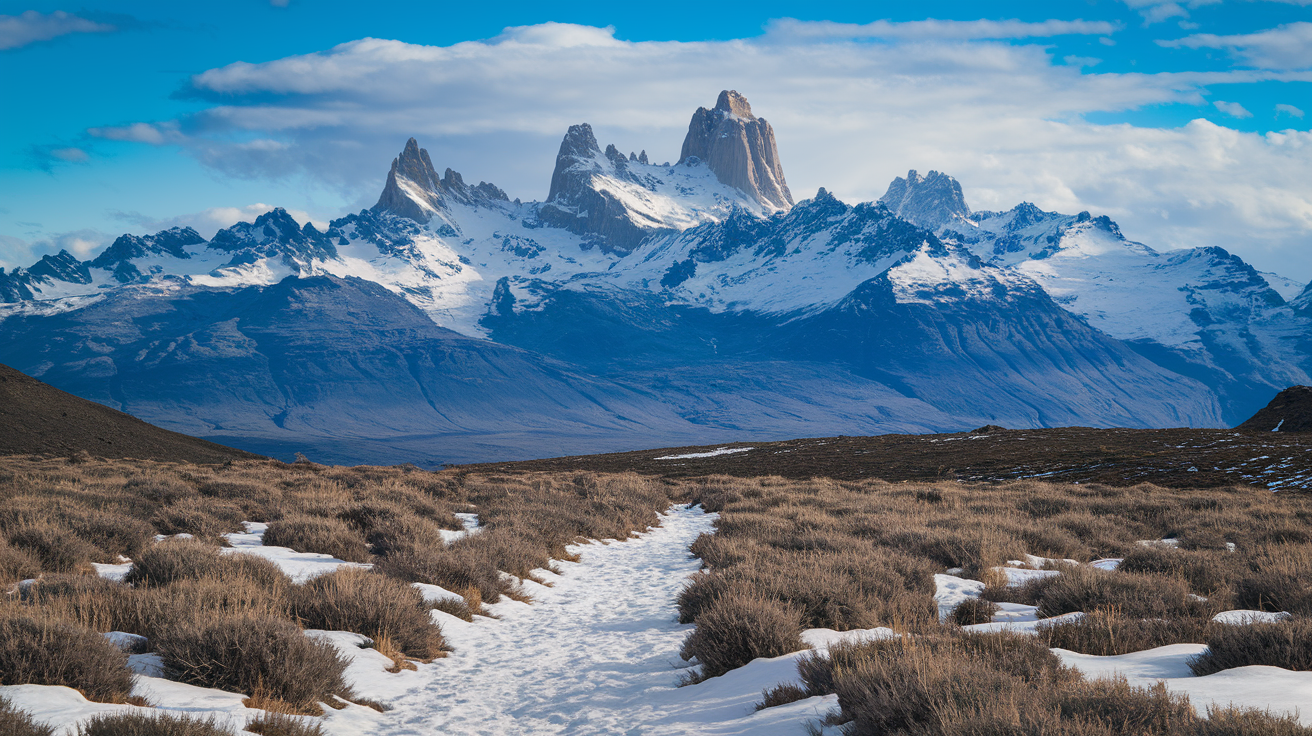

Think you can trek Patagonia any time you like? Think again.
Most routes are only safe and open from October through March; outside that, snow and wind shut things down.
Within that window, December to February gives the most reliable summer weather, long daylight, and full services.
November and March are great tradeoffs if you want decent conditions with fewer people.
This guide breaks the season down month by month so you can pick the right window for your goals—best weather, fewer crowds, or lower cost.
Quick Trekking Recommendation
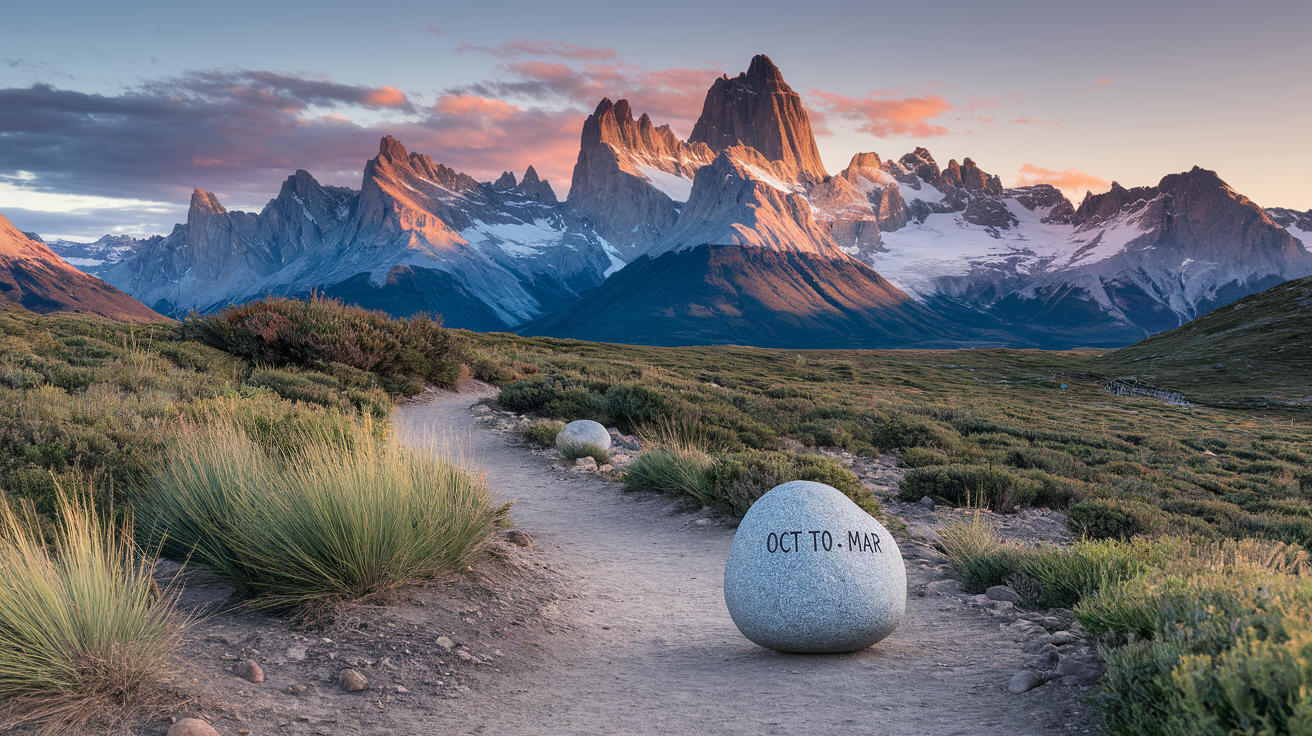
If you want the short answer, here it is. October through March is the main trekking window in Patagonia. Outside those months, snow and wind shut down most standard routes, so there’s no point fighting the calendar.
Within that window, December through February gives you the most dependable summer conditions, long daylight, and the widest trail access. November and March split the difference nicely, offering solid weather with noticeably fewer people on the trail. If you’re still narrowing down the best time to visit Patagonia, think of it less as one ideal month and more as matching your priorities to a window.
| Priority | Recommended Time | Key Takeaway |
|---|---|---|
| Best overall | October to March | The only reliable stretch for standard multi day trekking |
| Best weather | December to February | Most dependable summer trekking conditions and longest days |
| Fewest crowds within season | November or March | Good weather with a lighter trail population |
| Months to avoid | April to September | Winter conditions restrict or close most trekking routes |
How Patagonia’s Weather Patterns Work
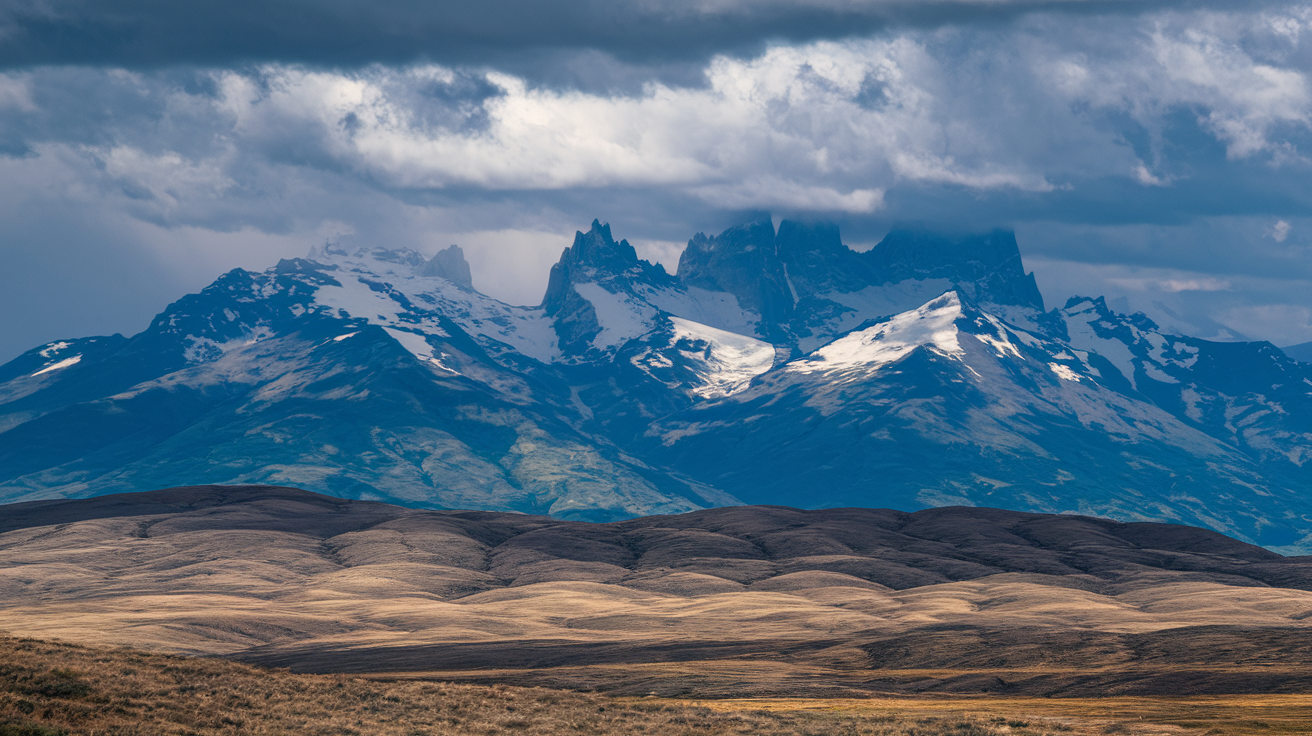
Patagonia runs on the Southern Hemisphere calendar, and that trips up a lot of first time planners. Summer falls in December through February, autumn runs March through May, winter is June through August, and spring covers September through November. So when it’s freezing back home in January, Patagonia is having its warmest, longest days of the year. Keep that flipped calendar in mind when you’re reading any trekking seasons guide, including this one.
The Andes mountain range is the other big factor shaping everything. As moist air moves in from the Pacific, the mountains force it upward on the western side, wringing out heavy rain and snow. By the time air crosses over to the eastern steppe, most of that moisture is gone, leaving a noticeably drier landscape. This is why two spots just a short drive apart can feel like completely different climates. One side soaked, the other side dusty and dry.
That same mountain terrain also explains why wind is such a constant topic in Patagonia. Open valleys, exposed ridgelines, and high mountain passes don’t have much to block incoming gusts, so wind speeds climb fast in these spots. Sheltered forest trails or lower valley walks feel calmer simply because the terrain itself is doing some of the blocking.
Snow accumulation and melt timing control a lot of what’s actually walkable in any given month. Heavy winter snowfall piles up on high passes and ridgelines, and it takes real time for that snow to melt enough for safe passage. Paso John Gardner is a good example of this in action. It sits high enough that lingering snow can keep it unsafe well after lower trails have cleared, which is exactly why snowmelt timing, not just the calendar date, determines when certain routes actually open.
Patagonia Weather And Trekking Conditions By Month
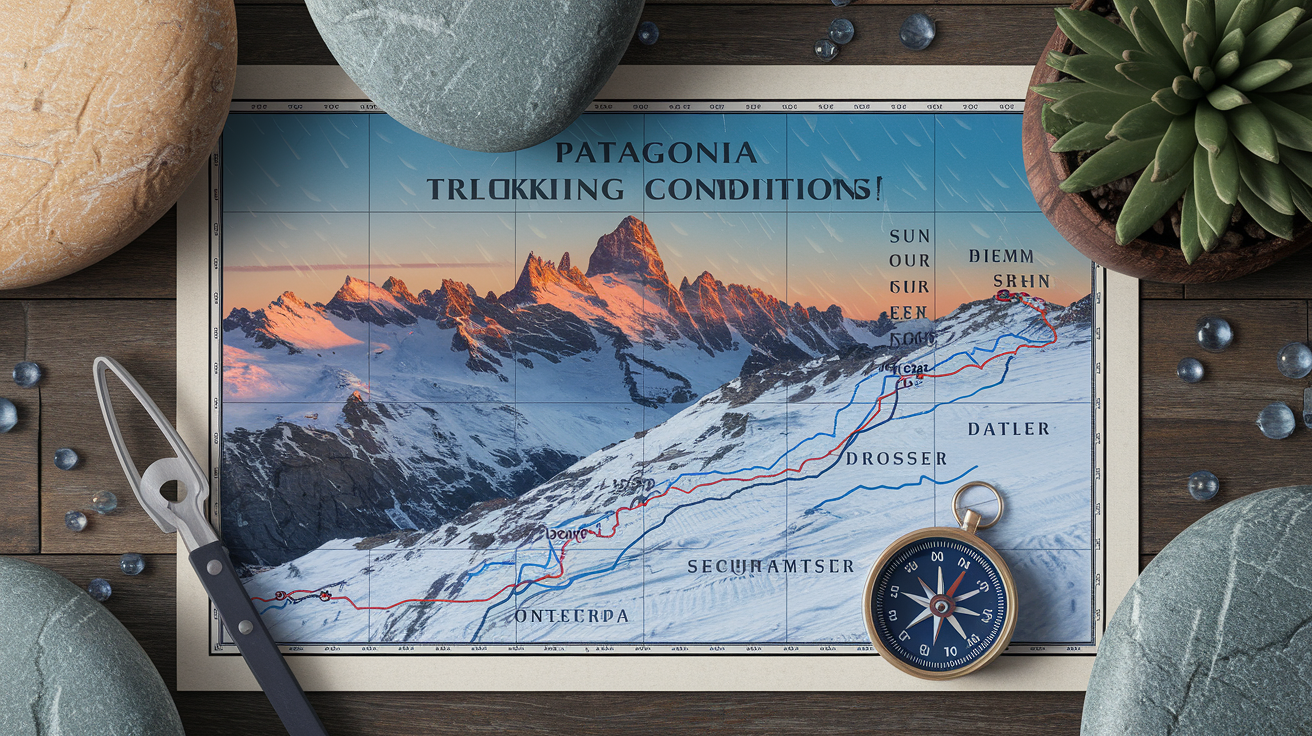
Conditions shift quite a bit depending on exact location and elevation, so treat the numbers below as typical ranges rather than guarantees for any single trail or day.
| Month | Typical Temperature | Precipitation | Wind | Daylight | Snow And Ice | Trail And Service Status | Crowd Level |
|---|---|---|---|---|---|---|---|
| January | 15 to 22°C afternoons | Low to moderate | Frequent gusts above 60 km/h | Long, around 16 to 17 hours | Minimal at trail level | Full access, refugios open | Highest of the year |
| February | 15 to 22°C afternoons | Low to moderate | Strong, slightly less than January | Long, slowly shortening | Minimal at trail level | Full access, refugios open | Very high, tapering late month |
| March | Mild, cooling toward month end | Moderate | Noticeably calmer than peak summer | Shortening, around 12 to 13 hours | Low, occasional high elevation dusting | Full access, stable services | Dropping, especially mid month |
| April | Sub zero mornings common | Increasing | Variable, can gust | Around 11 hours | Growing risk at elevation | Services progressively reducing | Low |
| May | Cold | Increasing, wetter | Variable | Short, under 10 hours | Significant at elevation | Most standard routes closing | Very low |
| June | Deep winter cold | Snow likely | Variable, can be harsh | Around 8 hours | Heavy at elevation, present
Final WordsOctober–March is the main trekking window: December–February gives the most dependable conditions, while November and March balance weather and crowds. This post covered quick recommendations, how the climate works, a month-by-month table, peak vs shoulder tradeoffs, route timing, and what to pack. Use the table to pick dates, match W or O timing to route constraints, and book refugios early for peak months. Pack layers, plan one big thing per day, and keep this guide when deciding when to visit patagonia for trekking and weather by month. You’ll be ready for better days on trail. FAQQ: How cold does Patagonia get?A: Patagonia gets cold enough to hit well below freezing in winter; shoulder-season mornings can drop to about -5°C, while summer days are milder. Pack warm layers and a cold-rated sleep system. Q: Is Patagonia or Machu Picchu better?A: Choosing between Patagonia and Machu Picchu depends on whether you prefer multi-day wilderness trekking and dramatic scenery (Patagonia) or compact archaeological sites, culture, and single-day hikes (Machu Picchu). Q: Are there mosquitoes in Patagonia?A: Patagonia has relatively few mosquitoes overall; they’re most common near still water and lowland wetlands in warmer months. Bring repellent for camping or estuary areas, but bites are usually limited. Q: Is Patagonia an expensive vacation?A: Patagonia can be expensive due to remote travel, guided treks, and high-season demand. You can lower costs by camping, traveling shoulder season, booking transport and refugios early, and cooking some meals. |